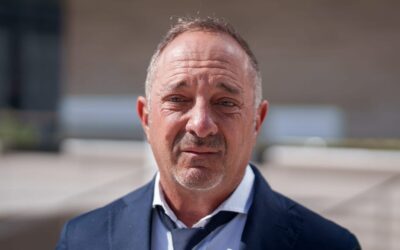
dailyloe.com – Kevin Warsh was confirmed on Wednesday as the next Federal Reserve chair, succeeding Jerome Powell. This confirmation occurs as President Donald Trump advocates for lower interest rates amid fresh inflation data complicating the case for cuts.
Warsh, 56, won the confirmation in a historically divisive vote of 54-45, concluding a months-long search for Powell’s successor that began in the summer of 2025. The vote largely followed party lines, with only Pennsylvania Democrat Sen. John Fetterman voting in favor of Warsh.
Trump has publicly expressed his expectation for Warsh to lower interest rates, criticizing Powell for what he perceives as overly restrictive monetary policy. Warsh was selected from a competitive field that included nearly a dozen candidates, such as current Governors Christopher Waller and Michelle Bowman.
The confirmation comes amid reports indicating inflation is significantly above the Fed’s 2% target. Furthermore, pipeline pressures are rising at their highest levels in over three years, leading markets to adjust expectations for rate cuts and even consider a possible increase later in the year.

Rep. French Hill, R-Ariz., commended Warsh’s inflation-fighting credentials, stating, “Chairman Warsh has repeatedly emphasized the importance of placing affordability and price stability at the center of our economic agenda.” He added that Warsh’s commitment to disciplined monetary policy would enhance confidence in the economy.
Warsh previously served on the Fed from 2006 to 2011, a period that included initial misjudgments regarding the subprime mortgage crisis. He was instrumental in implementing policies aimed at economic recovery, including a substantial expansion of asset purchases that pushed the Fed’s balance sheet over $4 trillion—a strategy known as quantitative easing.
Critically, Warsh has voiced concerns about past monetary policies, advocating for what he termed “regime change” at the central bank. After leaving the Fed, he has held a lecturer position at the Stanford School of Business and participated on various boards.