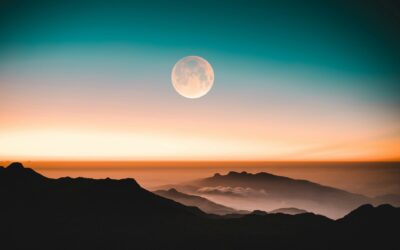
dailyloe.com – The Eta Aquariids meteor shower peaks in early May, coinciding with a full moon that affects visibility. The best time to observe the meteors is before sunrise on May 6 and 7. Tanya Hill, an astronomer at the Melbourne Planetarium, notes that the moon’s glare will reduce visibility.
Under ideal conditions, observers could see 20 to 30 meteors an hour, but Dr. Hill states this drops to 5 to 10 due to the moon’s brightness. The meteors originate from Halley’s Comet, creating a display as Earth passes through its dust trail.
The meteors appear to come from near the star Eta Aquarii in the constellation Aquarius. The radiant point is highest in the sky before dawn, making that the best viewing time.
However, predictions of up to 50 meteors an hour are overly optimistic, as Jonti Horner, an astrophysicist at the University of Southern Queensland, explains. He highlights that the estimates rely on perfect viewing conditions, which are not possible this year due to the moon.

For those eager to catch a glimpse of the shower, Hill suggests viewing opportunities will be limited this year. Other celestial events in May include a comet, two planets coming closer together, and a ‘blue’ micromoon.
These phenomena can be observed without the need for early morning hours. As the Eta Aquariids peak, skywatchers should be aware of the competition with the moonlight and plan their observations accordingly.