

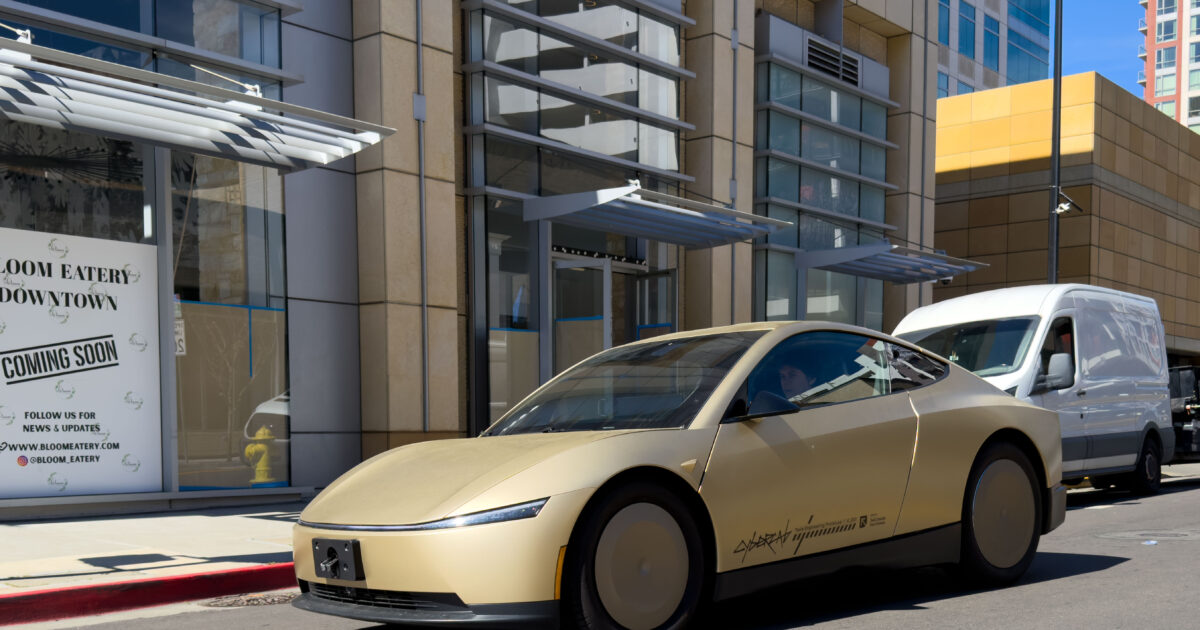
Tesla has begun testing its two-seat autonomous Cybercab robotaxi on public roads in San Jose, USA. The vehicle, designed without a steering wheel or pedals, represents CEO Elon Musk’s vision for the company’s future. This move signals a major shift from personal car ownership to a service-based mobility model. The initial public reaction has been skeptical, questioning the practicality of such a limited design.
Industry analysts suggest the two-seat configuration is a deliberate strategy for dense urban environments. Most ride-hailing trips in cities like New York or Tokyo involve only one or two passengers. A smaller, lighter vehicle requires less energy and can be manufactured at a lower cost. This efficiency could translate to cheaper fares per ride for consumers. The design prioritizes high utilization rates over accommodating occasional larger groups.
Data from existing services supports the focus on solo travel. Uber reports that over 50% of its trips in metropolitan areas are single-passenger journeys. A dedicated two-seater could reduce traffic congestion and parking demand in city centers. Tesla’s approach contrasts with competitors like Waymo and Cruise, which primarily use modified multi-passenger vehicles. The Cybercab’s unique form factor is its defining and most debated feature.
The production model is expected to enter a limited fleet service by late 2026. Its success hinges on the reliability of Tesla’s Full Self-Driving software in complex urban settings. Regulatory approval for completely driverless vehicles remains a significant hurdle in many regions. If successful, it could redefine short-distance urban transportation. The Cybercab experiment will test whether maximum efficiency trumps passenger capacity in the future of transit.