
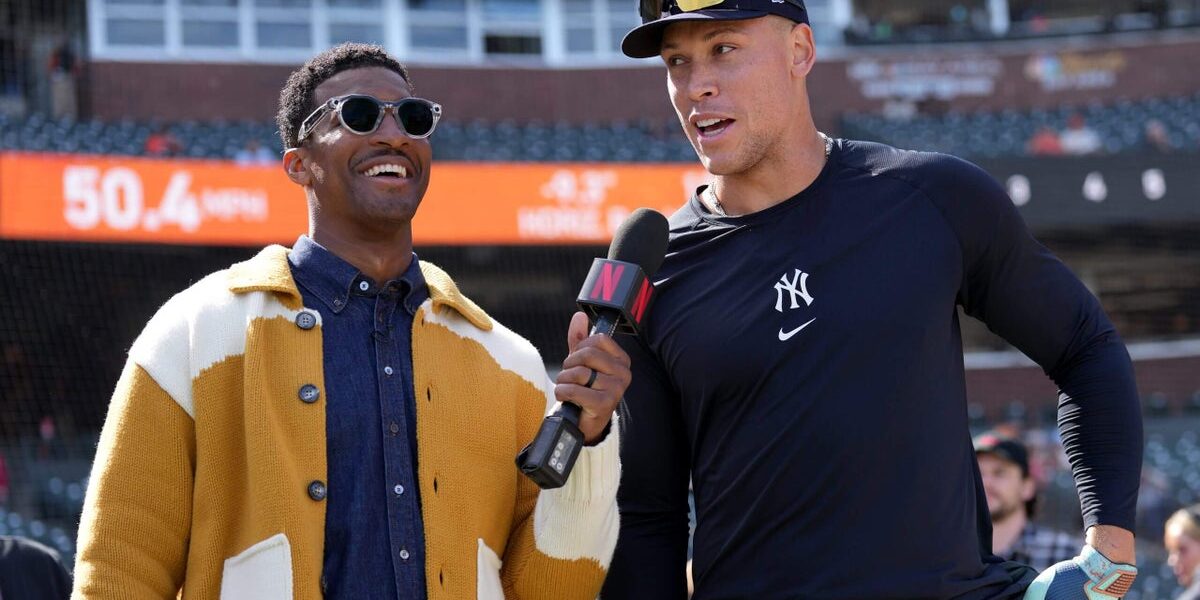
dailyloe.com – On Thursday, March 28, Netflix exclusively streamed its first-ever Major League Baseball regular season game, featuring the New York Yankees against the San Francisco Giants. This marked a significant move for the streaming giant into premium live sports broadcasting. The event, dubbed ‘Netflix Opening Night,’ was a test of consumer interest in sports on a subscription video-on-demand platform. Initial data and fan reaction suggest viewers were primarily there for the game itself. The platform was merely the conduit, not the main attraction.
The central lesson for Netflix and other tech firms is that content often supersedes the service delivering it. Despite massive corporate resources and technological prowess, companies can misunderstand what drives viewer engagement. For this broadcast, the draw was a historic rivalry and the start of a new MLB season. The simple fact that the game was on Netflix was a secondary consideration for most fans tuning in. This underscores the unique challenge of selling a live, unscripted event.
The broadcast is part of Netflix’s broader strategy to secure live sports rights, following experiments with golf and tennis. It represents a direct challenge to traditional sports networks and other streaming services. For the MLB, the deal expands its digital footprint and reaches a younger, global audience. The game itself resulted in a 6-2 victory for the San Francisco Giants over the New York Yankees. This factual outcome, rather than streaming metrics, dominated post-game discussions among baseball enthusiasts.

Ultimately, the success of such ventures depends on the event’s inherent appeal. Streaming services provide convenience and access but cannot manufacture the cultural moment of a live game. The Yankees-Giants opener proved that for sports, the platform is an enabler, not the star. As more tech companies bid for sports rights, understanding this fundamental distinction will be crucial. The game’s final score mattered more to fans than which app delivered it.[]
Source: The New York Times