

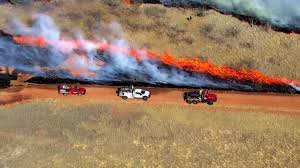
Firefighters are actively combating several significant wildfires across western Oklahoma this week. The blazes are being driven by strong winds and unseasonably dry vegetation. Emergency crews from multiple counties have been deployed to contain the spreading flames. Local authorities have issued mandatory evacuation orders for affected communities. The situation remains dynamic and dangerous for residents.
The National Weather Service had issued critical fire weather warnings for the region. These warnings highlighted low humidity levels and sustained high winds as primary risk factors. Such conditions create a perfect storm for rapid wildfire ignition and spread. The ongoing drought has left grasslands and brush extremely vulnerable. This environmental context is crucial for understanding the fire’s intensity.
Satellite imagery and ground reports confirm active fire fronts in Dewey, Custer, and Blaine counties. Air tankers and helicopters are assisting ground crews in dropping retardant on the flames. The Oklahoma Forestry Services is coordinating the multi-agency firefighting response. Specific acreage burned is still being assessed as the situation develops. These operational details underscore the scale of the emergency.

For an international audience, Oklahoma’s climate features a volatile mix of plains weather patterns. The state frequently experiences sudden shifts from calm conditions to extreme wind events. This incident mirrors increasing wildfire challenges seen in other arid regions globally. Climate data suggests a trend toward more frequent and intense fire weather days. Understanding these patterns is key to future preparedness and response.
The immediate focus remains on protecting lives, property, and critical infrastructure. Residents are urged to heed all evacuation orders and official communications. The coming days’ weather forecast will be pivotal for containment efforts. This event serves as a stark reminder of wildfire risks in grassland ecosystems. Community resilience and advanced warning systems are essential for safety.