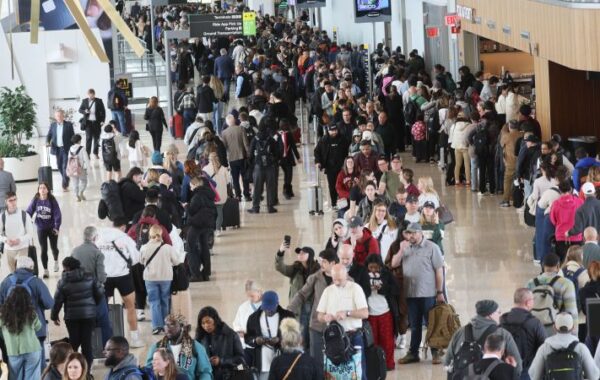

Philadelphia International Airport (PHL) is reporting live security wait times for Thursday, March 26, 2026, as a federal funding impasse strains Transportation Security Administration (TSA) resources across the United States. The ongoing Department of Homeland Security (DHS) shutdown has yet to be resolved, impacting staffing and operations at airports nationwide. Travelers departing from PHL are advised to check real-time updates before heading to the airport. This situation highlights the broader effects of political gridlock on critical national infrastructure.
As of Thursday morning, standard security wait times at open checkpoints were relatively low. Terminal A-East reported a 12-minute wait, while Terminal B showed 7 minutes. The combined Terminal D/E checkpoint had a 6-minute wait for standard screening. TSA PreCheck lanes at Terminals A-East and D/E were operating with minimal delays of just 2 minutes. These figures are subject to change throughout the day based on passenger volume.
Not all security checkpoints are currently operational at Philadelphia International Airport. Terminals A-West, C, and F have their TSA checkpoints closed as of March 26. However, all airport terminals remain open and accessible to passengers. Travelers can reach their departure gates by clearing security at an open checkpoint and using post-security connections. The airport advises passengers to verify their airline’s terminal before proceeding.
TSA PreCheck services are available but limited to specific locations and hours. At Terminal A-East, PreCheck is open from 4:15 a.m. to 6:30 p.m. The Terminal D/E PreCheck lane operates during the standard security checkpoint hours. Standard security lanes at Terminals A-East and B are open from the early morning until late evening. Travelers should confirm operating hours on the airport’s official checkpoint page before their flight.
The current operational adjustments stem from a protracted funding battle in Washington, D.C. A failure to pass a budget for the Department of Homeland Security has forced the TSA to implement contingency plans. This scenario is being watched closely by aviation authorities globally as a case study in resilience. For now, PHL manages the situation with redirected passenger flow and real-time data. Travelers are encouraged to plan for potential delays despite the currently efficient wait times.