

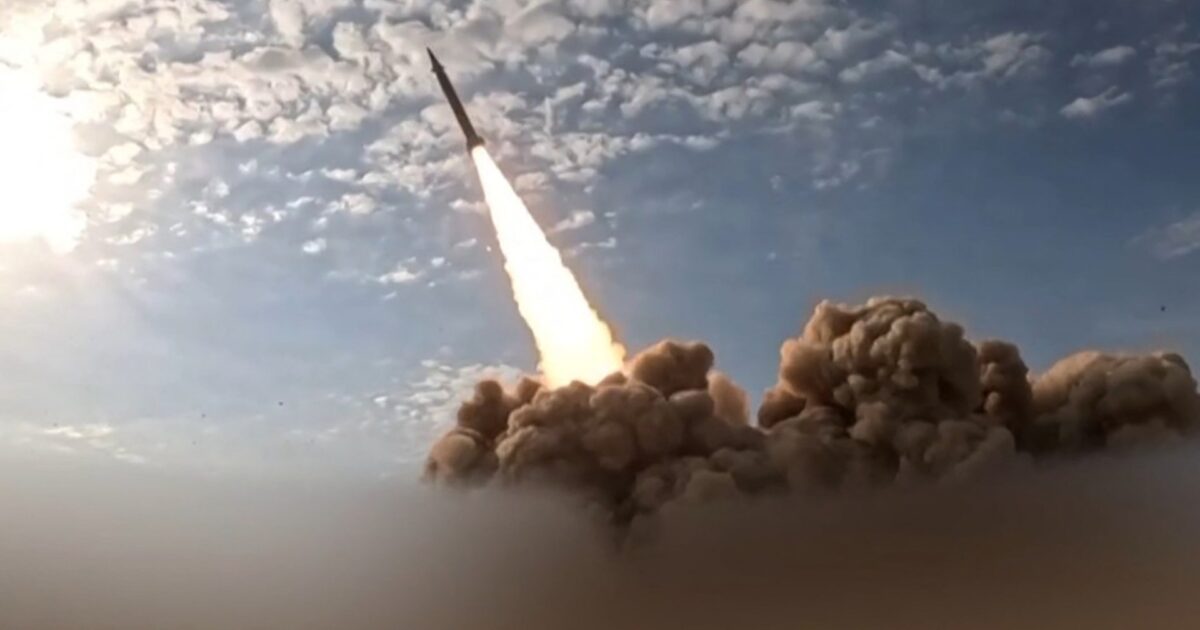
U.S. stock index futures declined in early trading on Monday as global investors assessed renewed geopolitical risks and awaited key economic data. The Dow Jones Industrial Average futures dropped by approximately 0.4%, reflecting heightened market caution. This movement follows reports of escalating tensions in the Middle East, directly impacting investor sentiment. Markets are also closely monitoring upcoming Federal Reserve commentary for clues on interest rates. The combination of these factors created a risk-off mood at the week’s start.
Analysts note that equity futures are sensitive to international conflict news, often serving as an early sentiment indicator. The potential for disruptions to global energy supplies remains a primary concern for traders. Any escalation can trigger volatility across major indices like the S&P 500 and Nasdaq. Investors typically seek safer assets like Treasury bonds during such periods of uncertainty. This dynamic puts immediate pressure on futures contracts tied to major market benchmarks.
Beyond geopolitics, domestic U.S. economic indicators are firmly in focus this week. Speeches from several Federal Reserve officials are scheduled, alongside crucial inflation data. The core Personal Consumption Expenditures price index is a key metric the Fed watches. Markets are parsing every signal for the timing and pace of potential interest rate cuts. Current pricing in futures markets suggests expectations for a gradual monetary policy easing cycle.
Historical data shows that futures markets often react more sharply to overnight news than cash markets at open. The Dow futures contract, traded on the Chicago Mercantile Exchange, is a direct bet on the index’s future value. It allows institutional investors to hedge positions or speculate before regular trading hours. Movements in these pre-market instruments frequently set the tone for the Wall Street session. Today’s dip underscores the fragile balance between geopolitical events and monetary policy outlooks.
For a global audience, U.S. index futures are a critical barometer of worldwide financial risk appetite. Major markets in Asia and Europe often take cues from overnight moves in these contracts. The interconnected nature of modern finance means volatility can spread quickly across borders. Investors worldwide adjust portfolios based on the implied opening direction of U.S. markets. The current environment highlights the complex interplay between politics, economics, and asset prices on a global scale.