

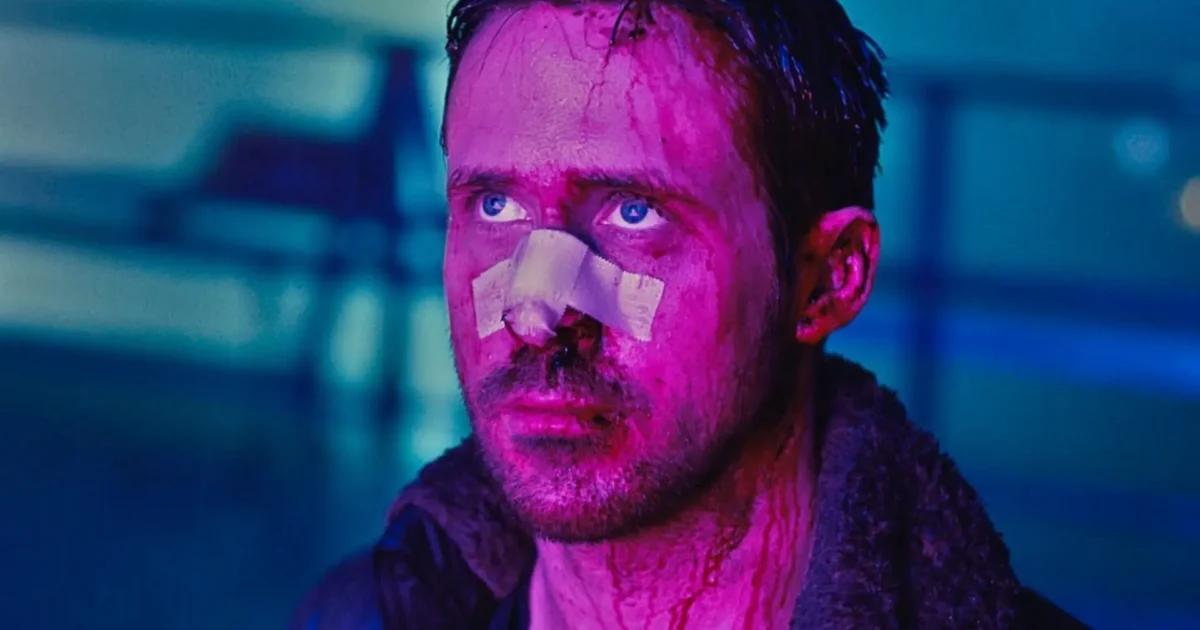
In 2017, director Denis Villeneuve released Blade Runner 2049, a sequel set thirty years after the original. The film follows Officer K, a replicant Blade Runner played by Ryan Gosling. His investigation into a buried mystery challenges the very fabric of his society. This case evolves from a standard retirement into a profound existential quest. It questions the nature of memory, identity, and what it means to be born.
The narrative hinges on a pivotal data point: the discovered remains of Rachael, a replicant from the first film. Forensic analysis confirms she died during childbirth. This revelation carries immense weight for the corporate and political powers in this world. For the Wallace Corporation, led by Niander Wallace, it represents a key to unlimited replicant production. For the authorities, it is a truth that could shatter the established social order.
Officer K’s journey is a masterclass in narrative misdirection, deliberately leading the audience and protagonist to a false conclusion. He uncovers a memory of a wooden horse, which memory designer Dr. Ana Stelline confirms as authentic. K logically but incorrectly deduces this memory is his own, believing himself to be the miraculous child. This belief fuels his actions, including finding the original Blade Runner, Rick Deckard, in the ruins of Las Vegas.
The film’s climax delivers its core thematic payload through a stark data correction. K learns Dr. Ana Stelline herself is the child of Deckard and Rachael. He is not the miracle, merely a replicant with an implanted real memory. This twist recontextualizes his entire mission, stripping away a chosen-one narrative. His final act of reuniting Deckard with his daughter becomes a conscious choice, giving his life purpose beyond his programming.
Blade Runner 2049 concludes with profound ambiguity, leaving Deckard’s replicant status unresolved. K’s sacrifice in the snow underscores the film’s central thesis: identity is defined by actions, not origins. The film’s cold aesthetic, shaped by Roger Deakins’ cinematography and a score by Hans Zimmer, reinforces this data-driven, emotionally complex world. It stands as a significant work for its technical execution and philosophical depth within the sci-fi genre.